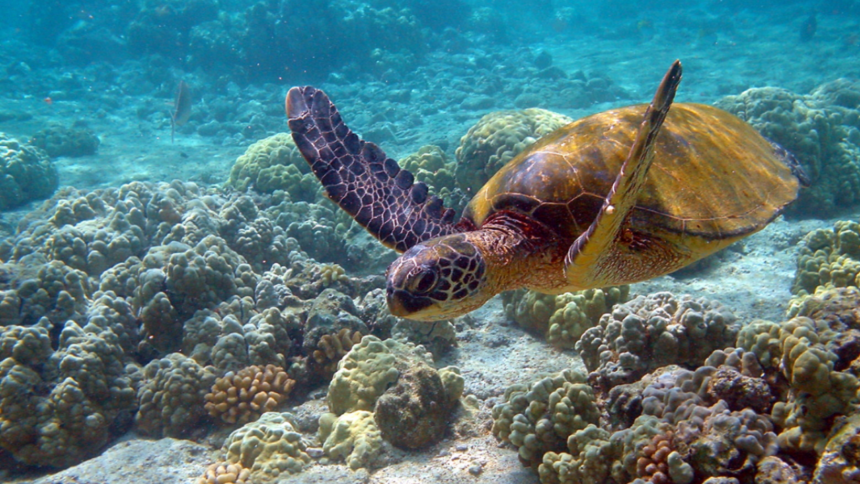
As the sun rises over the turquoise waters of Lakshadweep, a chain of 36 islands off India’s western coast, a new chapter unfolds in the story of sea turtle conservation. The Union environment ministry has finally released a long-awaited Standard Operating Procedure (SOP) aimed at safeguarding these incredible creatures and their habitats. This unified framework, the result of extensive research and collaboration, promises to revolutionize the way sea turtles are protected across the archipelago.
Conservation Efforts Get a Boost
The SOP, which will be implemented in conjunction with local authorities and stakeholders, outlines a comprehensive approach to conservation, monitoring, and management. It emphasizes the importance of community engagement and education, recognizing that preserving sea turtles requires a collective effort. For instance, local fishermen will be trained in turtle-friendly fishing practices, while eco-tourism initiatives will be promoted to raise awareness and generate revenue for conservation efforts. Additionally, the SOP establishes a robust system for monitoring turtle populations, nesting sites, and hatchling releases, ensuring that data-driven insights inform decision-making.
Furthermore, the SOP sets out to address the pressing issue of habitat degradation. Lakshadweep’s islands are vulnerable to the impacts of climate change, pollution, and over-tourism, all of which threaten the delicate ecosystem. By outlining measures to mitigate these effects, the SOP aims to preserve the unique biodiversity of the area. For example, coral reef restoration projects will be initiated to enhance marine biodiversity, while waste management plans will be implemented to reduce pollution. These targeted interventions will help maintain the health of Lakshadweep’s ecosystem and ensure the long-term sustainability of sea turtle populations.
Empowering Local Communities
The SOP also recognizes the critical role that local communities play in sea turtle conservation. By involving island dwellers in the decision-making process, the ministry hopes to foster a sense of ownership and responsibility for the protection of these incredible creatures. This approach not only strengthens community ties but also provides a sustainable solution to the complex challenges facing Lakshadweep. For instance, local women will be trained as turtle monitors, tasked with tracking nesting sites and monitoring hatchling releases. This not only empowers women but also helps to build a robust network of community-based conservationists.
The implementation of the SOP will also lead to the establishment of a Sea Turtle Conservation Committee, comprising representatives from local authorities, NGOs, and community groups. This body will provide a platform for sharing knowledge, coordinating efforts, and addressing challenges. By working together, stakeholders can tackle the complex issues facing Lakshadweep’s sea turtle populations and create a more resilient and sustainable ecosystem.
A New Era for Conservation
The release of the SOP marks a significant milestone in Lakshadweep’s conservation journey. As the implementation of this framework gets underway, the government, local communities, and stakeholders must work together to ensure its success. By combining cutting-edge science with community engagement and education, Lakshadweep has a unique opportunity to set a new standard for sea turtle conservation. As the sun sets over the islands, a new era of cooperation and commitment to protecting these incredible creatures begins.
With the SOP in place, Lakshadweep is poised to become a model for conservation efforts worldwide. The archipelago’s rich biodiversity, coupled with its unique cultural heritage, makes it an ideal location for showcasing the power of community-led conservation. As the world watches, Lakshadweep has the chance to demonstrate that collective action can indeed make a difference in the lives of these incredible creatures and the ecosystems they inhabit.