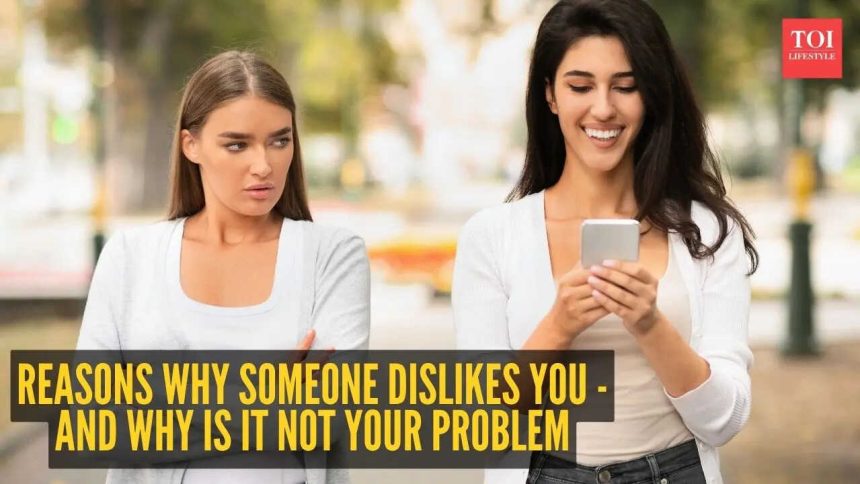
Being on the receiving end of dislike or criticism can be a painful and disorienting experience. When you’ve acted with kindness, integrity, or calm confidence, it’s natural to wonder what you could have done differently. Yet, the truth is, people often dislike others for reasons that have little to do with the person they’re targeting. Their reactions can reveal more about their own inner world, insecurities, or past hurts than about your value as a person. Understanding this shift in perspective can be incredibly liberating, allowing you to release the burden of self-blame and focus on observing the situation clearly.
Reason 1: Insecurity and Competition
One common reason people dislike others is because they feel threatened by their perceived success or accomplishments. This can be especially true in competitive environments, where individuals may feel like they’re in a constant battle for recognition or validation. When someone dislikes you because of your achievements, it’s essential to recognize that their reaction is a reflection of their own insecurities, not your worth. Their behavior might be a cry for attention or a desperate attempt to elevate themselves by tearing you down. By acknowledging this dynamic, you can maintain your confidence and continue to focus on your goals, knowing that your success doesn’t depend on anyone else’s approval.
Another aspect of insecurity-driven dislike is the fear of being overshadowed. When someone feels like they’re not the center of attention, they may become resentful or aggressive towards those who seem to be outshining them. In these situations, it’s crucial to set boundaries and prioritize your own well-being. You can’t control how others feel, but you can control how you respond to their behavior. By staying calm, assertive, and focused on your objectives, you’ll be better equipped to handle situations where others feel threatened by your success.
Reason 2: Unrealistic Expectations and Disappointment
People often dislike others when their expectations aren’t met, and this can be particularly true in situations where there’s a power imbalance. For example, a boss might dislike an employee because they didn’t meet an unrealistically high standard, or a parent might dislike a child because they didn’t conform to their expectations. In these cases, it’s essential to recognize that the other person’s reaction is often a reflection of their own disappointment and frustration, rather than a personal failing on your part. By acknowledging the unrealistic expectations and communicating your needs and limitations, you can work towards finding a more realistic and achievable solution.
Disappointment can also stem from idealizing others or having unrealistic expectations about how they should behave. When someone feels let down or betrayed, they may lash out at the person they feel has failed them. In these situations, it’s crucial to have empathy and understanding, while also maintaining your own boundaries and needs. By acknowledging the other person’s feelings and communicating your own perspective, you can work towards finding common ground and rebuilding trust.
Reason 3: Past Hurts and Unresolved Trauma
Another reason people dislike others is because of unresolved past hurts or traumas. When someone is carrying around emotional baggage, they may become overly sensitive or reactive to perceived slights or criticisms. Their behavior can be a manifestation of their own pain and struggle, rather than a reflection of your worth or actions. By recognizing this dynamic, you can approach the situation with compassion and understanding, rather than taking their behavior personally.
Unresolved trauma can also lead people to become overly possessive or controlling in their relationships. When someone feels like they need to possess or dominate others in order to feel safe, they may become resentful or aggressive towards those who don’t conform to their expectations. In these situations, it’s essential to prioritize your own boundaries and needs, while also communicating your concerns and needs to the other person. By setting clear limits and seeking support, you can work towards creating a healthier and more balanced relationship.
While it can be challenging to deal with people who dislike us, it’s essential to remember that their reactions are often a reflection of their own inner world, rather than our worth or actions. By understanding the reasons behind their behavior and approaching the situation with empathy and compassion, we can release the burden of self-blame and focus on observing the situation clearly. By doing so, we can maintain our confidence, prioritize our well-being, and continue to grow and thrive, regardless of what others think or feel.