Imagine being able to detect the early warning signs of coral reef damage, much like a doctor diagnoses a patient’s illness through a simple blood test. This is exactly what researchers at the Woods Hole Oceanographic Institution are working towards, by developing a ‘blood test’ for coral reefs using seawater. By analyzing the chemical composition of seawater, scientists hope to identify the subtle changes that occur when a coral reef is under stress, potentially revealing damage before it becomes visible to the naked eye.
Understanding Coral Reef Health
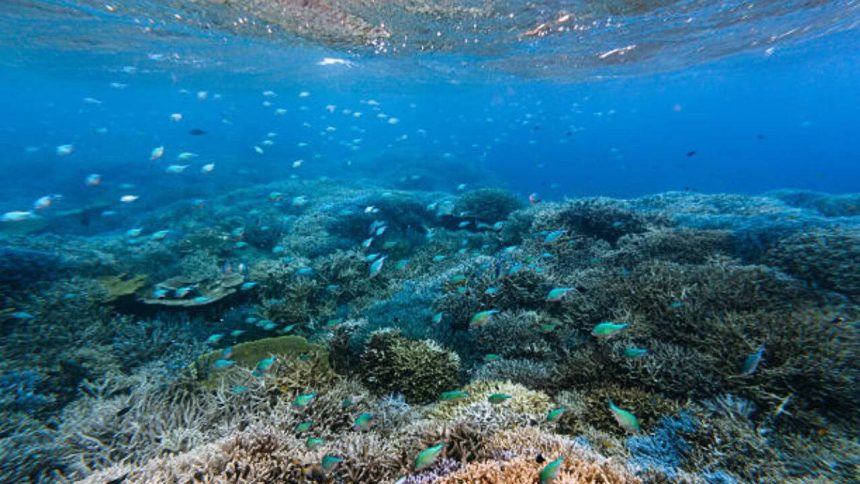
Coral reefs are some of the most diverse and vital ecosystems on the planet, providing a home for thousands of species of fish, crustaceans, and other marine life. However, these delicate ecosystems are facing numerous threats, including climate change, pollution, and overfishing. As a result, many coral reefs are experiencing significant damage, which can have far-reaching consequences for the health of our oceans and the planet as a whole. By developing a ‘blood test’ for coral reefs, scientists hope to be able to identify the early warning signs of damage, allowing for swift action to be taken to protect these vital ecosystems.
The concept of using seawater to monitor coral reef health is not new, but recent advances in technology have made it possible to analyze the chemical composition of seawater with unprecedented precision. By studying the levels of certain nutrients, pollutants, and other chemicals in the water, scientists can gain a detailed understanding of the health of the coral reef. This information can then be used to identify areas that are under stress, allowing for targeted conservation efforts to be implemented.
Developing the Seawater ‘Blood Test’
So, how exactly does the seawater ‘blood test’ work? The process involves collecting samples of seawater from the coral reef and then analyzing them using a range of specialized techniques, including spectroscopy and chromatography. These techniques allow scientists to identify the presence of specific chemicals in the water, which can then be used to diagnose the health of the coral reef. For example, high levels of certain nutrients in the water may indicate that the coral reef is experiencing nutrient pollution, which can cause damage to the delicate ecosystem.
The development of the seawater ‘blood test’ is a complex process that requires collaboration between scientists from a range of disciplines, including biology, chemistry, and physics. However, the potential rewards are significant, as this technology could revolutionize the way we monitor and manage coral reef health. By providing an early warning system for coral reef damage, the seawater ‘blood test’ could help to prevent the decline of these vital ecosystems, protecting the thousands of species that call them home.
Implications for Coral Reef Conservation
The potential implications of the seawater ‘blood test’ for coral reef conservation are significant. By providing a simple and effective way to monitor coral reef health, this technology could help to identify areas that are most in need of protection. This information can then be used to inform conservation efforts, such as the establishment of marine protected areas or the implementation of sustainable fishing practices. Additionally, the seawater ‘blood test’ could help to monitor the effectiveness of conservation efforts, allowing scientists to track changes in coral reef health over time.
As researchers continue to develop and refine the seawater ‘blood test’, it is clear that this technology has the potential to make a significant impact on coral reef conservation. By providing a powerful tool for monitoring and managing coral reef health, the seawater ‘blood test’ could help to protect these vital ecosystems for generations to come. With the health of our oceans and the planet hanging in the balance, the development of this technology could not be more timely or important.