In a world that’s increasingly dominated by screens and the constant hum of technology, it’s no wonder that so many of us are feeling burnt out. The pressure to be constantly connected, to stay up-to-date with the latest news and trends, and to produce a steady stream of content can be overwhelming. And yet, amidst all the chaos, there’s a hidden treasure that can offer us relief and respite: art.
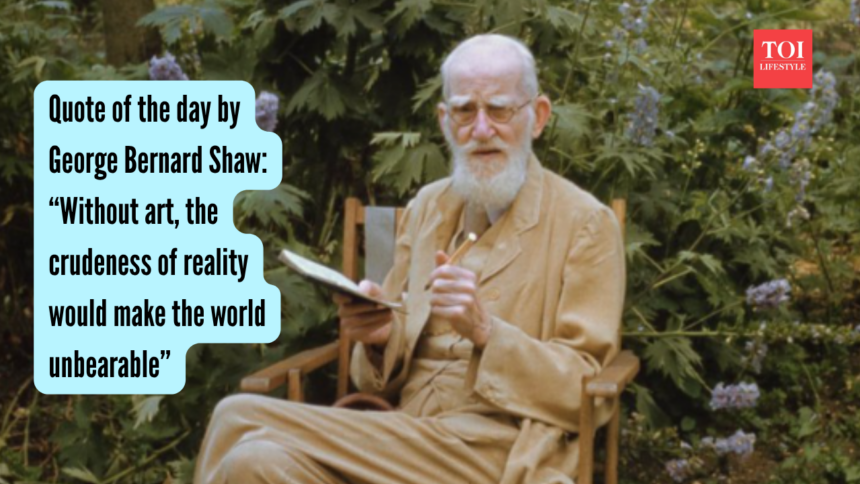
George Bernard Shaw, the renowned Irish writer, playwright, and critic, once said that ‘art is the only product of human hands that is not improved by a machine.’ While Shaw was talking about the power of art to transcend the limits of technology, his words also speak to the way that creativity can soften the harsh realities of modern life. In an era where we’re constantly bombarded by messages, notifications, and distractions, art offers a refuge from the chaos – a chance to quiet the mind, to reflect, and to recharge.
So how does art do this? For starters, it provides a creative outlet for our emotions and thoughts. When we engage in artistic activities, whether it’s painting, drawing, writing, or playing music, we’re able to express ourselves in a way that’s both personal and meaningful. This can be incredibly therapeutic, allowing us to process our feelings and experiences in a healthy and constructive way. At the same time, art can also offer a sense of perspective and context. By stepping outside of our own experiences and looking at the world through the eyes of an artist, we can gain a deeper understanding of the complexities and nuances of life.
Breaking Down the Barriers to Creativity
But what about those of us who feel like we’re not artistic? Who don’t have a ‘creative bone’ in our bodies? The truth is, creativity is not just for the select few – it’s a skill that can be developed and nurtured, regardless of our background or experience. And it’s not just about producing high-quality art; it’s about the process itself – the joy of creation, the sense of accomplishment, and the opportunity to express ourselves in a way that’s authentic and meaningful.
One of the biggest barriers to creativity is fear – fear of failure, fear of looking silly, and fear of not being good enough. But the truth is, art is not about perfection; it’s about experimentation, exploration, and discovery. And it’s okay to make mistakes – in fact, some of the most beautiful and innovative art comes from taking risks and trying new things.
So how can we break down these barriers and tap into our creative potential? For starters, we can start small – setting aside just 10 or 15 minutes a day to engage in a creative activity. This could be anything from doodling in a notebook to writing a short story, or even just playing a few notes on a musical instrument. The key is to make creativity a habit, rather than a chore.
The Power of Community and Connection
Art is not just a solo activity; it’s also a way to connect with others and build community. When we engage in creative activities with others, we’re able to share our ideas, learn from one another, and grow as individuals. This can be incredibly empowering, especially in a world where we’re often isolated and disconnected from one another.
Think of a local art class or workshop – a place where people from all walks of life come together to share their passion for creativity. Or consider a community arts project – a way to bring people together to create something beautiful and meaningful. In both cases, the focus is on the process, not the product – on the joy of creation, the sense of accomplishment, and the connections we make along the way.
Of course, art is not a replacement for the digital world – it’s a complement to it. By incorporating creativity into our daily lives, we can find a healthier balance between technology and human connection. And in doing so, we can create a more vibrant, more nuanced, and more compassionate world – one that values the beauty and diversity of human expression.
The Future of Art and Creativity
So what does the future hold for art and creativity? One possibility is that we’ll see a resurgence of traditional art forms – painting, drawing, music, and dance – as people seek to disconnect from screens and reconnect with the world around them. Another possibility is that we’ll see the rise of new forms of digital art – ones that blend technology and creativity in innovative and exciting ways.
Regardless of what the future holds, one thing is clear: art will continue to play a vital role in our lives, offering us a way to express ourselves, connect with others, and find meaning and purpose in a chaotic world. By embracing our creative potential and sharing it with others, we can create a brighter, more beautiful, and more compassionate world – one that’s full of art, full of life, and full of possibility.
As Shaw himself once said, ‘there is no art too little to be beautiful.’ And in a world that’s increasingly dominated by technology, there’s never been a more important time to rediscover the beauty and power of art.