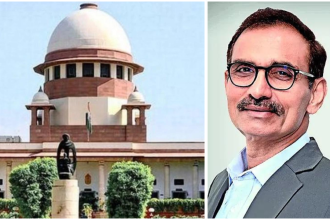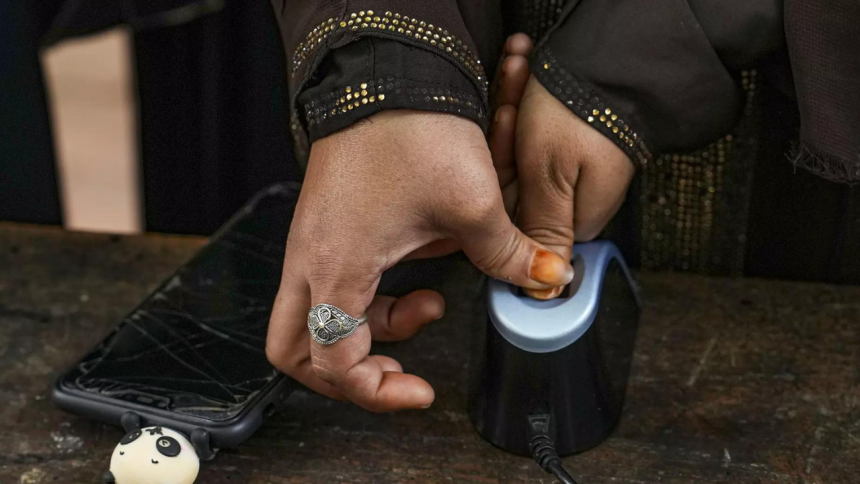
The integrity of India’s electoral process is under scrutiny as the Supreme Court has sought responses from the Election Commission and the Central government on a Public Interest Litigation (PIL) that proposes the creation of a nationwide fingerprint and iris biometrics database to verify voters at polling booths. This development has sparked a debate on the potential implications of such a system on the country’s democratic fabric. The PIL, which has been filed by a group of citizens, argues that the use of biometric technology can significantly reduce the incidence of voter fraud and ensure the authenticity of the electoral process.
Understanding the Proposal
The proposal to create a pan-India fingerprint and iris biometrics database is based on the idea that such a system can provide a foolproof method of verifying the identity of voters at polling booths. The database would contain the biometric information of all eligible voters, which would be used to authenticate their identities before they cast their ballots. Proponents of the proposal argue that this system can prevent fraudulent voting practices, such as impersonation and booth capturing, which have been known to occur in some parts of the country.
The use of biometric technology in elections is not a new concept. Several countries, including Brazil and South Africa, have already implemented biometric-based voting systems with significant success. In India, the Aadhaar unique identification number, which is based on biometric information, has already been used in various government schemes and programs. However, the proposal to use biometric technology in elections has raised concerns about the potential risks of data breaches and the impact on voter privacy.
Concerns and Implications
The proposal to create a nationwide biometrics database has raised concerns among civil society groups and opposition parties, who argue that such a system could be used to manipulate the electoral process. They point out that the database could be vulnerable to hacking and data breaches, which could compromise the personal information of millions of voters. Additionally, there are concerns about the potential for biased algorithms and discrimination against certain groups of voters.
The implementation of a biometric-based voting system would also require significant investment in infrastructure and technology. The Election Commission would need to establish a network of biometric authentication devices at polling booths across the country, which would be a logistical challenge. Furthermore, the commission would need to ensure that the system is user-friendly and accessible to all voters, including those in remote and rural areas.
Way Forward
The Supreme Court’s decision to seek responses from the Election Commission and the Central government on the PIL is a significant development in this matter. The court’s intervention is likely to spark a wider debate on the use of biometric technology in elections and its potential implications for the country’s democratic process. As the government and the Election Commission prepare their responses, they will need to address the concerns and challenges associated with the proposal and provide assurances about the security and integrity of the system.
The use of biometric technology in elections has the potential to transform the electoral process in India, making it more secure and transparent. However, it is crucial that the government and the Election Commission engage in a thorough and inclusive consultation process to address the concerns and challenges associated with the proposal. Ultimately, the decision to implement a biometric-based voting system will depend on the ability of the government and the Election Commission to demonstrate that the benefits of such a system outweigh the risks and challenges associated with it. The country’s democratic fabric demands nothing less than a voting system that is fair, secure, and transparent, and the use of biometric technology could be a significant step in that direction.