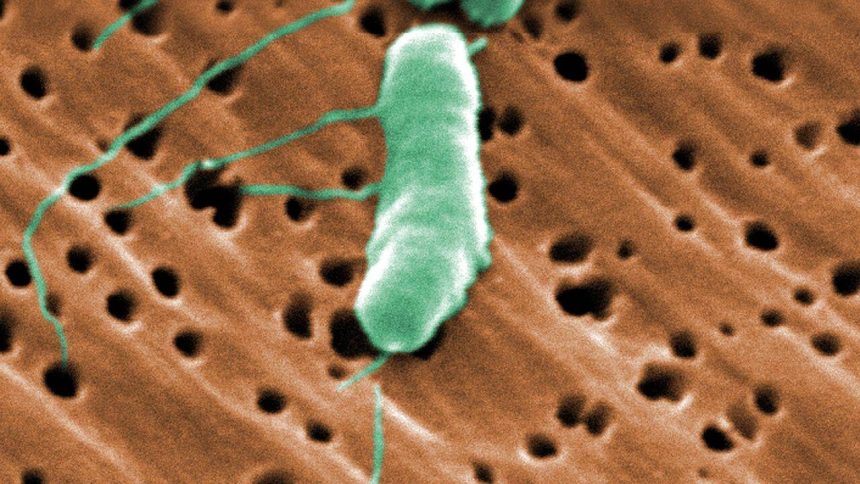
The recent confirmation of Florida’s first fatality of 2026 linked to Vibrio vulnificus, a naturally occurring ‘flesh-eating bacteria’, has raised concerns among health authorities and beachgoers alike. The victim, a resident of Palm Beach County aged between 80-84 years, succumbed to the infection, highlighting the risks associated with warm waters and the importance of taking preventive measures. As the state’s beach season gains momentum, the incident serves as a stark reminder of the potential dangers lurking in the waters.
Understanding Vibrio Vulnificus
Vibrio vulnificus is a naturally occurring bacteria that thrives in warm, salty waters, particularly during the summer months. It can cause severe illness in people who come into contact with contaminated water, either through open wounds or by consuming undercooked or raw shellfish. The bacteria can lead to severe infections, including septicemia and necrotizing fasciitis, a condition that destroys skin and muscle tissue, earning it the nickname ‘flesh-eating bacteria’.
While Vibrio vulnificus infections are relatively rare, they can be deadly, with a mortality rate of around 50% in severe cases. The risk of infection is higher for people with compromised immune systems, such as the elderly, young children, and those with chronic illnesses. In addition to the risk of infection, the bacteria can also cause gastrointestinal illness, ranging from mild diarrhea to life-threatening conditions.
Prevention and Precautions
To minimize the risk of Vibrio vulnificus infection, health authorities recommend taking several precautions when engaging in water activities. These include avoiding swimming in areas with visible signs of pollution or algal blooms, wearing protective clothing, such as wetsuits or waterproof bandages, to cover open wounds, and thoroughly cleaning and cooking shellfish before consumption. Additionally, people with compromised immune systems should take extra precautions, such as avoiding raw or undercooked shellfish and avoiding swimming in warm waters.
Local health authorities are also taking steps to educate the public about the risks associated with Vibrio vulnificus and the importance of taking preventive measures. This includes posting warning signs in areas where the bacteria have been detected and providing educational materials to beachgoers and seafood consumers. By taking these precautions, individuals can reduce their risk of infection and enjoy the state’s beautiful beaches and waterways while minimizing their exposure to this deadly bacteria.
Impact on Beach Season
The confirmation of Florida’s first Vibrio vulnificus fatality of 2026 is likely to have an impact on the state’s beach season, with many residents and tourists taking extra precautions to avoid infection. While the risk of infection is relatively low, the incident serves as a reminder of the importance of being aware of the potential dangers associated with warm waters and taking steps to minimize exposure. As the summer months approach, beachgoers can expect to see increased awareness campaigns and educational initiatives aimed at reducing the risk of Vibrio vulnificus infection.
As the investigation into the recent fatality continues, health authorities are urging people to remain vigilant and take necessary precautions to avoid infection. By working together to raise awareness and promote preventive measures, Florida can minimize the risk of Vibrio vulnificus infection and ensure a safe and enjoyable beach season for all. The state’s beautiful beaches and waterways are a major tourist attraction, and by taking the necessary precautions, visitors can enjoy the sun, sand, and sea while minimizing their risk of exposure to this deadly bacteria.