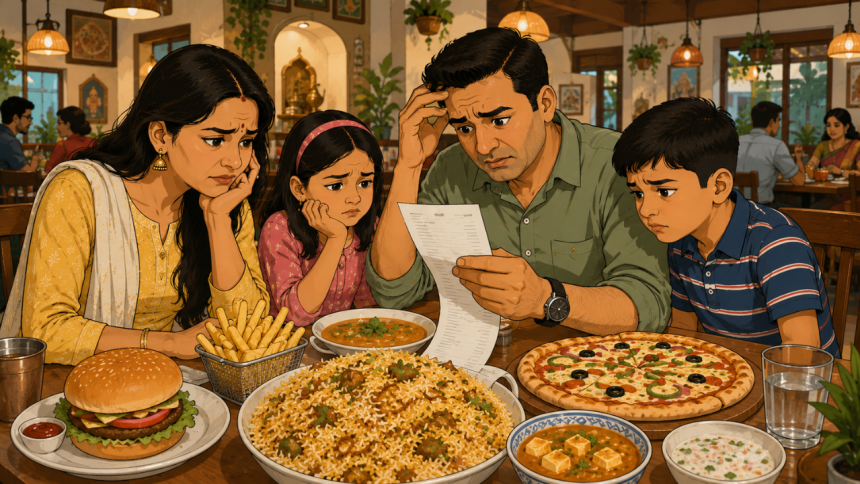
The next time you reach for your wallet to pay for a meal, be prepared for a bit of sticker shock. With fuel prices soaring, the cost of your favorite foods, from biryani to burgers, is about to take a significant leap. Restaurants and food delivery apps across India are bracing themselves to hike prices by 5-10% as they struggle to cope with the mounting expenses of LPG shortages, skyrocketing gas costs, and staff crunches. This perfect storm of rising costs is set to make your next meal out a more expensive affair, leaving consumers to wonder how their food bills will be affected.
The Perfect Storm of Rising Costs
The food industry in India is no stranger to challenges, but the current combination of rising fuel prices, LPG shortages, and soaring gas costs has created a perfect storm that is threatening to disrupt the entire ecosystem. With LPG prices increasing by over 40% in the past year, restaurants are finding it difficult to maintain their profit margins. To make matters worse, the shortage of LPG has forced many establishments to rely on alternative, and more expensive, sources of fuel. This has resulted in a significant increase in their operational costs, which they are now being forced to pass on to consumers.
The staff crunch, which has been a persistent problem in the industry, has further exacerbated the situation. With many restaurants struggling to find and retain staff, they are being forced to offer higher wages to attract and keep employees. This, combined with the rising cost of ingredients and other expenses, has made it imperative for restaurants to increase their prices. The question on everyone’s mind is, how will this price hike affect consumer behavior and the overall demand for food?
The Impact on Consumers and the Industry
The price hike is likely to have a significant impact on consumers, particularly those who rely on food delivery apps and restaurants for their daily meals. With the cost of living already on the rise, the increase in food prices will further strain household budgets. Consumers may be forced to cut back on their food expenses, opting for cheaper alternatives or cooking at home instead of eating out. This could have a ripple effect on the entire industry, with restaurants and food delivery apps seeing a decline in sales and revenue.
The impact on the industry will be far-reaching, with small and medium-sized restaurants being the worst affected. Many of these establishments operate on thin profit margins and may not be able to absorb the increased costs. They may be forced to close down or reduce their operations, resulting in job losses and a further decline in the industry. On the other hand, larger restaurants and food delivery apps may be able to navigate the challenges more effectively, but they will still need to adapt to the changing market dynamics and consumer behavior.
Navigating the New Reality
As the food industry navigates this new reality, restaurants and food delivery apps will need to find innovative ways to manage their costs and maintain their profit margins. This could involve renegotiating contracts with suppliers, investing in more efficient equipment and technology, and exploring alternative sources of fuel. They will also need to focus on providing value to their customers, whether through loyalty programs, discounts, or other incentives. By doing so, they can build customer loyalty and retention, even in the face of rising prices.
Ultimately, the key to success in this new environment will be adaptability and resilience. Restaurants and food delivery apps that are able to adapt quickly to the changing market dynamics and consumer behavior will be the ones that thrive. As for consumers, they will need to be prepared for the possibility of higher food prices and plan their budgets accordingly. One thing is certain, however – the next time you sit down to enjoy a meal, it may come with a higher price tag than you expected.