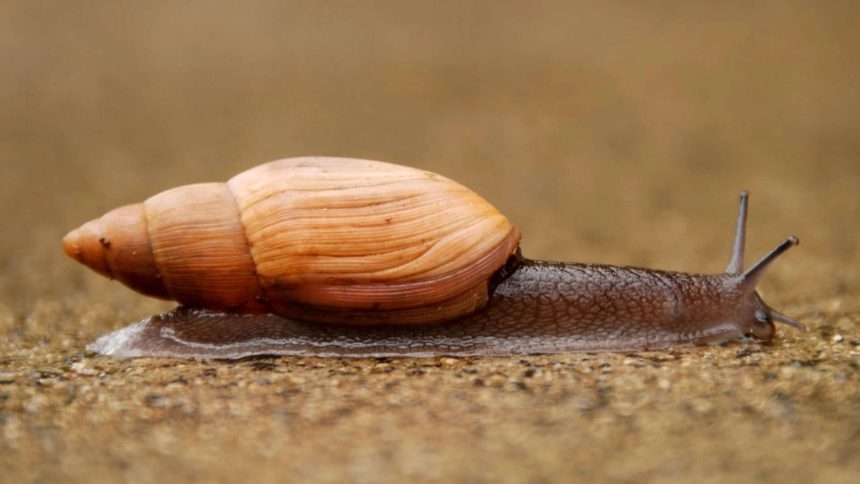
In a bold attempt to control the spread of an invasive snail species, wildlife officials in Hawaii released a carnivorous snail in 1955, hoping it would prey on the pest and restore balance to the ecosystem. However, the plan backfired, and the introduced species, known as the rosy wolf snail, began to wreak havoc on the native snail population, posing a significant threat to the island’s unique biodiversity. The incident serves as a cautionary tale about the risks of introducing non-native species to control invasive pests, highlighting the complexities and uncertainties of biological control methods.
The Introduction of the Rosy Wolf Snail
The rosy wolf snail, a species native to the tropical regions of the Atlantic, was introduced to Hawaii as a means to control the giant African snail, which had been causing significant damage to crops and ecosystems. At the time, it seemed like a logical solution, as the rosy wolf snail was known to feed on other snail species. However, the introduction of this carnivorous snail had far-reaching and devastating consequences, as it began to prey on native snail species, many of which were found nowhere else on Earth.
The native snail species, which had evolved over millions of years in isolation, were no match for the rosy wolf snail’s predatory prowess. The introduced species was able to outcompete and devour the native snails, leading to a significant decline in their populations. This, in turn, had a ripple effect throughout the ecosystem, as the native snails played important roles in seed dispersal, nutrient cycling, and other ecological processes.
The Unintended Consequences of Biological Control
The introduction of the rosy wolf snail to Hawaii is a prime example of the unintended consequences of biological control methods. While the intention was to control the invasive giant African snail, the introduced species ended up causing more harm than good. This incident highlights the importance of carefully considering the potential risks and consequences of introducing non-native species to control invasive pests. It also underscores the need for more research and testing before implementing such control methods, to ensure that they do not have devastating effects on native ecosystems.
The incident also raises questions about the long-term effectiveness of biological control methods. Even if the introduced species is successful in controlling the invasive pest, it may still have unintended consequences on the native ecosystem. Furthermore, the introduced species may itself become invasive, requiring further control measures. This can lead to a cycle of introductions and control measures, with each step potentially causing more harm than good.
Lessons Learned and Future Directions
The introduction of the rosy wolf snail to Hawaii serves as a valuable lesson in the importance of careful planning and consideration when it comes to biological control methods. It highlights the need for a more nuanced and multi-faceted approach to controlling invasive species, one that takes into account the potential risks and consequences of introducing non-native species. This may involve a combination of control methods, including physical removal, chemical control, and biological control, as well as a thorough understanding of the ecosystem and the species involved.
As we move forward, it is essential that we learn from the mistakes of the past and approach biological control methods with caution and careful consideration. By doing so, we can minimize the risks of unintended consequences and work towards more effective and sustainable solutions for controlling invasive species and preserving native ecosystems. The story of the rosy wolf snail in Hawaii serves as a reminder of the complexities and uncertainties of biological control methods, and the need for ongoing research and vigilance in our efforts to protect and preserve the natural world.