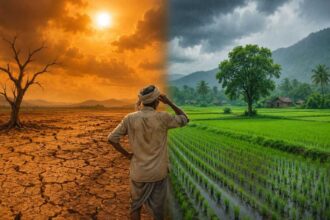
The majestic Himalayan mountain range, often referred to as the ‘Roof of the World’, is facing an unprecedented crisis. The region’s snowfall, a crucial component of the global water cycle, has been declining at an alarming rate. This downward trend has significant implications, not only for the local ecosystem but also for the millions of people who depend on the Himalayan water sources for their survival. The consequences of dwindling snowfall are far-reaching, affecting everything from agriculture and industry to human consumption and sanitation.
The Science Behind the Decline
Scientists point to climate change as the primary driver of the decline in Himalayan snowfall. Rising temperatures are altering the regional climate, leading to changes in precipitation patterns. As the atmosphere warms, it can hold more moisture, resulting in less snowfall and more rainfall. This shift has a profound impact on the regional hydrology, affecting the timing and volume of water availability. The Himalayas, often referred to as the ‘Third Pole’, contain the largest reserve of ice outside the polar regions, and the melting of these glaciers has severe consequences for global sea levels and weather patterns.
The decline in snowfall is also attributed to the increase in black carbon and other pollutants in the atmosphere. These pollutants, emitted by human activities such as burning fossil fuels and biomass, accumulate on the snow surface, reducing its albedo, or reflectivity. As a result, the snow absorbs more solar radiation, leading to accelerated melting. The combination of rising temperatures and increased pollution has created a perfect storm, exacerbating the decline in Himalayan snowfall and threatening the delicate balance of the regional ecosystem.
Regional Implications and Global Consequences
The decline in Himalayan snowfall has severe implications for the regional ecosystem. The reduced snow cover affects the growth and distribution of plant species, altering the habitats of various animal species. The change in precipitation patterns also impacts the regional agriculture, as many crops are dependent on the timely and adequate supply of water. The consequences of dwindling snowfall are not limited to the region; they have far-reaching implications for the global ecosystem. The Himalayan water sources supply several major rivers, including the Ganges, Indus, and Brahmaputra, which support the livelihoods of millions of people. Any disruption to these water sources can have catastrophic consequences, affecting not only the regional economy but also global food security.
The global consequences of the decline in Himalayan snowfall are a pressing concern. The melting of glaciers and changes in precipitation patterns can lead to an increase in extreme weather events, such as floods and droughts. The rise in global sea levels, resulting from the melting of glaciers, poses a significant threat to coastal communities and low-lying areas. The international community must come together to address the crisis, implementing policies and practices that reduce greenhouse gas emissions and mitigate the effects of climate change.
A Call to Action
The decline in Himalayan snowfall is a wake-up call, highlighting the urgent need for collective action to address the climate crisis. The international community must prioritize the reduction of greenhouse gas emissions, investing in renewable energy sources and increasing energy efficiency. The implementation of policies and practices that promote sustainable land use, reduce pollution, and protect natural habitats is crucial. The preservation of the Himalayan ecosystem is not only essential for the regional population but also critical for maintaining global ecological balance. As the world grapples with the challenges of climate change, it is essential to recognize the intricate connections between the environment, human health, and economic development.
The fate of the Himalayan snowfall serves as a reminder of the importance of responsible stewardship of the planet. The crisis facing the ‘Roof of the World’ is a symptom of a larger problem, one that requires a concerted effort to address. As the world moves forward, it is essential to prioritize the health of the planet, recognizing the intricate web of relationships between human societies, the environment, and the economy. The preservation of the Himalayan ecosystem is a critical step towards ensuring a sustainable future, one that requires immediate attention and collective action.