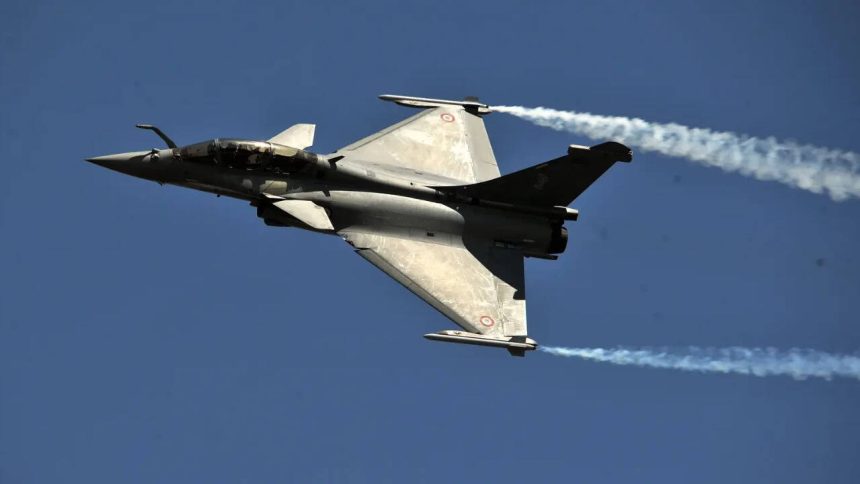
India has taken a significant step towards finalizing the long-pending Rafale deal, issuing a Letter of Request to France to procure 114 Rafale fighter jets for the Indian Air Force. The deal, worth around Rs 3.25 lakh crore, is one of the biggest defence agreements in recent history. The move comes as IAF chief is in Paris to advance the deal and iron out the remaining details. The Letter of Request is a formal document that outlines the requirements and terms of the contract, marking a major milestone in the negotiation process.
Background and Significance
The Rafale deal has been in the works for several years, with India initially planning to acquire 126 fighter jets. However, the deal was reworked, and the number of jets was reduced to 36. The current proposal for 114 jets is part of the Indian Air Force’s plan to modernize its fleet and enhance its combat capabilities. The Rafale jets are considered one of the most advanced fighter aircraft in the world, with state-of-the-art technology and weaponry.
The deal is not only significant for the Indian Air Force but also for the country’s defence industry. The contract is expected to include a significant offset clause, which will require the French manufacturer, Dassault Aviation, to invest a substantial amount in India’s defence sector. This is expected to create new opportunities for Indian companies and boost the country’s defence manufacturing capabilities.
Key Features and Benefits
The Rafale jets are known for their exceptional performance, versatility, and advanced technology. The aircraft is equipped with a range of missiles, including the Meteor and Scalp, and has a proven track record in combat missions. The jets will significantly enhance the Indian Air Force’s capabilities, providing it with a strategic advantage over its adversaries. The deal is also expected to include a comprehensive maintenance and support package, which will ensure the jets remain airworthy and operational for several decades.
The acquisition of Rafale jets is also expected to have a positive impact on India’s defence relations with other countries. The deal will strengthen India’s strategic partnership with France and potentially open up new avenues for cooperation in the defence sector. The Indian Air Force is also expected to benefit from the transfer of technology and expertise from Dassault Aviation, which will help it develop its own defence manufacturing capabilities.
Challenges and Future Outlook
Despite the progress made so far, there are still several challenges that need to be addressed before the deal can be finalized. The Indian Air Force and Dassault Aviation need to iron out the remaining details, including the pricing, offset clause, and maintenance package. The deal will also require approval from the Indian government, which is expected to take several months.
However, with the Letter of Request issued, the deal is now on track to be finalized in the near future. The acquisition of Rafale jets will mark a significant milestone in the modernization of the Indian Air Force, providing it with a much-needed boost to its combat capabilities. As the Indian Air Force looks to the future, the Rafale deal is expected to play a critical role in shaping its strategic capabilities and enhancing its ability to respond to emerging threats.