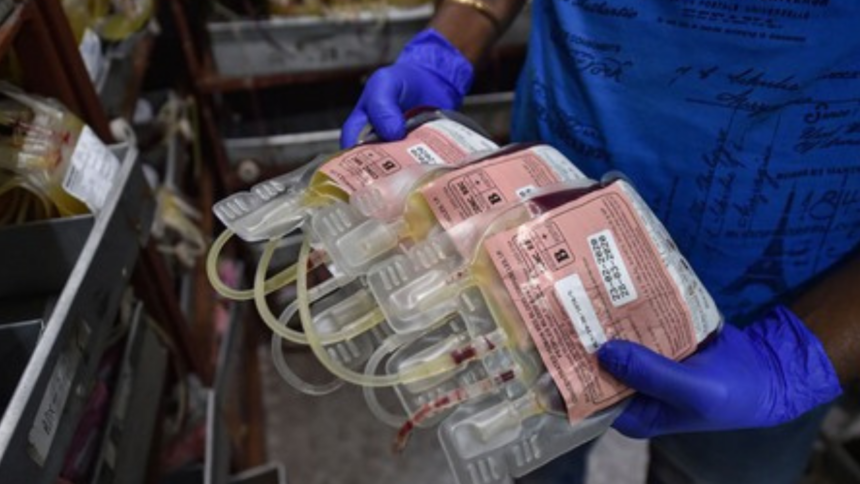
India’s efforts to bolster its blood banks have yielded a record 1.58 crore units of blood collected in 2025, a milestone that underscores the country’s growing awareness and participation in blood donation. However, this achievement is tempered by the stark revelation that over 17.4 lakh blood components were discarded during the same period, highlighting the persisting challenges in blood inventory management. The state-wise data, tabled in the Rajya Sabha, paints a picture of a system struggling to match supply with demand, leading to significant wastage despite the best intentions of donors.
Understanding the Blood Collection and Distribution Network
The blood collection and distribution network in India is complex, involving numerous stakeholders, including donation camps, blood banks, hospitals, and regulatory bodies. While the increase in blood collection is a testament to the success of awareness campaigns and the generosity of donors, the significant wastage of blood components suggests inefficiencies in the system. Factors such as the lack of a unified national database, inadequate cold chain infrastructure, and insufficient training of personnel handling blood components contribute to the problem.
Moreover, the issue of blood component wastage is not uniform across states, with some regions showing better management of their blood inventories than others. This disparity underscores the need for tailored solutions that address the specific challenges faced by each state, including enhancing infrastructure, improving supply chain logistics, and adopting more effective inventory management practices. By understanding these dynamics, policymakers can develop targeted interventions to reduce wastage and ensure that the blood collected is utilized to save lives.
The Human Impact of Blood Wastage
Beyond the statistical analysis, the wastage of 17.4 lakh blood components has a profound human impact. Each unit of blood discarded represents a potential life that could have been saved. Patients requiring blood transfusions, especially those with rare blood groups or needing urgent medical attention, are directly affected by the inefficiencies in the blood supply chain. The emotional toll on families who have donated blood in the hope of helping others, only to see their contributions go to waste, cannot be overstated. It is imperative that the system is overhauled to prevent such disappointments and ensure that the altruism of donors is respected and valued.
The human aspect also extends to the frontlines of healthcare, where medical professionals often face difficult decisions due to blood shortages. The stress of having to inform patients and their families that a life-saving transfusion may not be possible due to lack of available blood can be overwhelming. By streamlining the blood collection and distribution process, healthcare providers can be empowered to deliver better care, free from the constraints of a flawed supply chain.
Pathways to Reform and Efficiency
Addressing the challenge of blood component wastage in India requires a multi-faceted approach that involves both short-term corrective measures and long-term strategic planning. In the immediate term, efforts can focus on improving the cold chain infrastructure to prevent degradation of blood components during storage and transport. Enhancing the training of personnel involved in the handling and storage of blood can also significantly reduce errors leading to wastage.
For sustainable solutions, the development of a national blood grid that integrates donation camps, blood banks, and hospitals through a digital platform can revolutionize the management of blood inventories. Such a platform can provide real-time data on blood availability, facilitate the sharing of blood components between regions, and enable more precise matching of supply with demand. Additionally, public awareness campaigns can be designed to not only encourage donations but also to educate donors about the importance of regular, targeted donations to meet specific patient needs.
As India continues to grapple with the complexities of its blood supply chain, it is clear that the path to reducing wastage and ensuring that blood donations are utilized effectively will require concerted effort from all stakeholders. By embracing technology, enhancing infrastructure, and fostering a culture of efficiency and transparency, India can aspire to a future where every unit of blood donated contributes to saving a life, and the act of donation is honored through its impact.