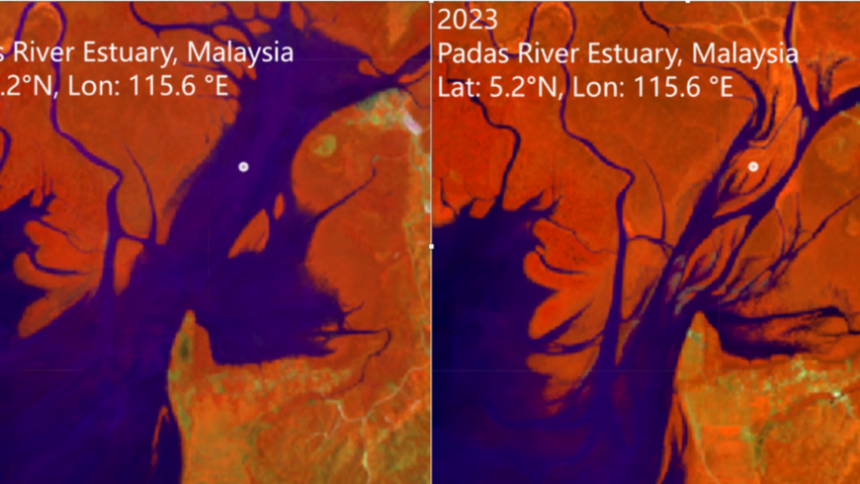
Mangrove forests, some of the world’s most vital and unique ecosystems, are showing signs of recovery after decades of decline, a new NASA study has revealed. These coastal powerhouses have long been recognized for their importance in shielding communities from storms, storing vast amounts of carbon, and providing nurseries for countless marine species. However, despite this promising trend, the threat of rising sea levels still looms large, posing a significant challenge to the long-term survival of these precious ecosystems.
Mangrove Forests: The Unsung Heroes of Coastal Protection
For decades, scientists have warned that mangrove forests were disappearing at an alarming rate, outpacing even the decline of many tropical rainforests. The main culprits behind this decline were coastal development, aquaculture, and pollution, all of which have taken a devastating toll on these delicate ecosystems. However, the new NASA study suggests that conservation efforts and a growing recognition of the importance of mangroves may be starting to pay off, with many areas showing signs of recovery and regrowth.
One of the key factors behind this recovery is the increasing recognition of the vital role that mangroves play in protecting coastal communities from the impacts of climate change. By providing a natural barrier against storms and sea level rise, mangroves can help to reduce the risk of flooding and damage to property, making them a crucial component of any coastal protection strategy. Additionally, mangroves are also important carbon sinks, storing vast amounts of carbon dioxide that would otherwise contribute to climate change.
The Threat of Rising Seas
Despite the promising signs of recovery, the threat of rising sea levels still poses a significant challenge to the long-term survival of mangrove forests. As sea levels continue to rise, many mangrove forests are finding themselves increasingly inundated with water, leading to soil salinization, reduced growth rates, and increased mortality. This is particularly concerning, as mangroves are already found in a relatively narrow band of coastal areas, making them highly vulnerable to even small changes in sea level.
The impact of rising seas on mangrove forests is not just limited to the forests themselves, but also has significant implications for the many communities that depend on them for their livelihoods. In many parts of the world, mangroves provide a vital source of food, fuel, and income, making them a crucial component of local economies. As mangroves continue to decline, these communities are likely to face significant challenges in maintaining their way of life, making it essential that conservation efforts are stepped up to protect these precious ecosystems.
A Call to Action
The recovery of mangrove forests is a significant achievement, and one that highlights the importance of conservation efforts in protecting these vital ecosystems. However, it is clear that much more needs to be done to ensure the long-term survival of mangroves, particularly in the face of rising sea levels. This will require a coordinated effort from governments, conservation organizations, and local communities, all of whom have a critical role to play in protecting these precious ecosystems.
As the world continues to grapple with the challenges of climate change, the importance of mangrove forests is likely to become increasingly clear. By providing a natural barrier against storms, storing carbon, and supporting local livelihoods, mangroves have the potential to play a critical role in helping communities to adapt to the impacts of climate change. However, this will only be possible if we take immediate action to protect these vital ecosystems, and ensure that they continue to thrive for generations to come.