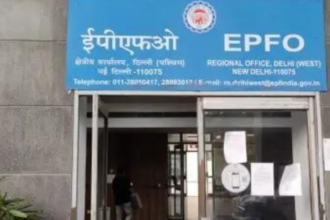
The recent increase in minimum wages in several Indian states, including Uttar Pradesh and Haryana, has sparked concerns that many workers may no longer be eligible for the Employees’ Provident Fund (EPF). The EPF is a crucial social security scheme that provides retirement benefits to millions of workers in the organized sector. With the minimum wage hike, many workers who were previously covered under the EPF may now find themselves above the eligibility threshold, potentially leaving them without a safety net in their retirement years.
Impact on Workers
The increase in minimum wages is a welcome move for workers, as it will improve their take-home pay and help them cope with rising living costs. However, the unintended consequence of this move may be that many workers will no longer be eligible for the EPF. This is because the EPF is mandatory for workers earning up to a certain threshold, which is currently set at Rs 15,000 per month. With the minimum wage hike, many workers may now earn above this threshold, making them ineligible for the EPF.
The implications of this are significant, as the EPF is a vital source of retirement savings for many workers. Without the EPF, workers may be forced to rely on other sources of income in their retirement years, such as personal savings or family support. This could lead to a significant decrease in their standard of living and increase their vulnerability to poverty and exploitation. The government and employers must therefore take steps to ensure that workers who are no longer eligible for the EPF have access to alternative retirement savings schemes.
Employer Concerns
Employers are also concerned about the impact of the minimum wage hike on their businesses. Many small and medium-sized enterprises (SMEs) may struggle to absorb the increased labor costs, which could lead to job losses and reduced hiring. Additionally, employers may be required to contribute more to the EPF on behalf of their workers, which could further increase their labor costs. This could lead to a decrease in competitiveness and profitability for many businesses, particularly in sectors where labor costs are a significant component of overall costs.
However, many employers also recognize the benefits of the minimum wage hike, including improved worker productivity and reduced employee turnover. By paying their workers a living wage, employers can help to improve their overall well-being and job satisfaction, leading to increased productivity and better outcomes for the business. Employers must therefore strike a balance between their business needs and their social responsibilities, ensuring that they provide fair compensation and benefits to their workers while also maintaining their competitiveness and profitability.
Way Forward
The government must take steps to address the concerns of workers and employers in the wake of the minimum wage hike. One possible solution is to increase the eligibility threshold for the EPF, allowing more workers to be covered under the scheme. Alternatively, the government could introduce alternative retirement savings schemes that are tailored to the needs of workers who are no longer eligible for the EPF. This could include voluntary pension schemes or other forms of social security that provide workers with a safety net in their retirement years.
The minimum wage hike is a positive step towards improving the living standards of workers in India, but it also highlights the need for a more comprehensive social security system. By providing workers with access to retirement savings schemes and other forms of social security, the government can help to reduce poverty and inequality, while also promoting economic growth and development. As the Indian economy continues to grow and evolve, it is essential that the government and employers work together to ensure that workers are protected and empowered, with access to fair compensation, benefits, and social security.