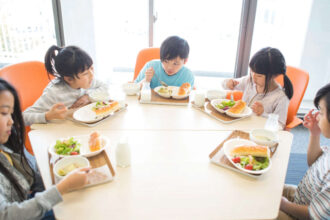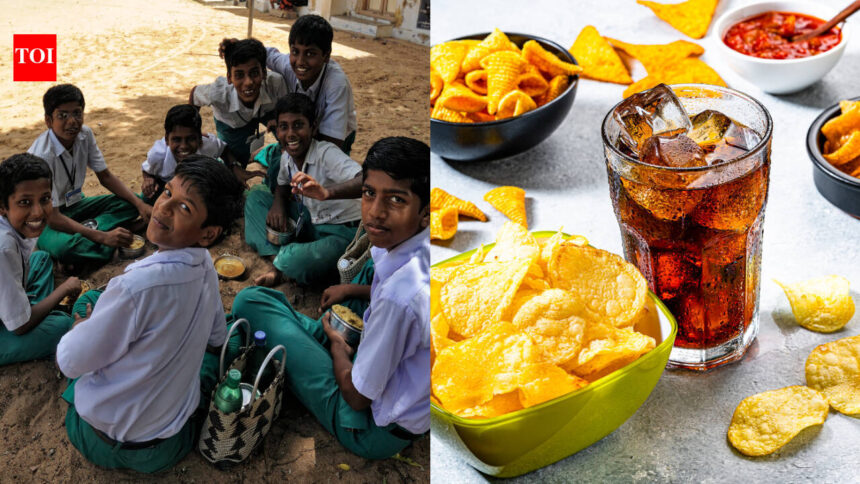
The recent directive from the Food and Drug Administration (FDA) to Maharashtra schools to discontinue the sale of certain popular food items among children has sparked a renewed focus on promoting healthy eating habits in schools. This move is seen as a significant step towards ensuring that the younger generation develops a strong foundation for optimal growth and development, reducing the risk of chronic diseases later in life. It is essential for parents, educators, and policymakers to come together to create a supportive environment that encourages healthy food choices and fosters a lifelong commitment to well-being.
Navigating the Snack Aisle: Understanding the Banned Foods
The FDA’s directive specifically targets food items that are high in sugar, salt, and unhealthy fats, which are commonly found in packaged snacks and processed foods. These items, often marketed as convenient and tasty options for children, can lead to unhealthy eating habits and contribute to the rising rates of obesity, diabetes, and other non-communicable diseases. Some of the banned foods include chips, crackers, and other savory snacks that are high in sodium and added sugars. By restricting the sale of these items in schools, the FDA aims to promote a culture of healthy eating and encourage children to make informed choices about the food they consume.
The ban on these unhealthy snacks creates an opportunity for schools to explore healthier alternatives that are not only nutritious but also appealing to children. Many schools are now incorporating homemade snacks made with wholesome ingredients into their menus, providing students with a delicious and satisfying option that supports their overall well-being.
Healthy Homemade Snack Options for Schools
With the FDA’s directive in place, schools are now looking for creative ways to provide students with healthy snack options. Here are 10 healthy homemade snack ideas that are perfect for schools:
1. Fresh Fruit Salad: A colorful mix of seasonal fruits such as strawberries, blueberries, and grapes, served with a dollop of yogurt or a sprinkle of granola.
2. Whole Grain Crackers with Hummus: A tasty and healthy snack that combines whole grain crackers with a protein-rich hummus dip.
3. Roasted Chickpeas: A crunchy and addictive snack made by roasting chickpeas with herbs and spices.
4. Homemade Trail Mix: A mix of nuts, seeds, and dried fruits that is easy to make and packed with nutrients.
5. Yogurt Parfait: A layered snack made with yogurt, granola, and fresh berries.
6. Edamame: Steamed edamame served with a sprinkle of sea salt and a squeeze of lemon juice.
7. Cut Veggies with Guacamole: A refreshing and healthy snack that combines cut veggies with a creamy guacamole dip.
8. Quinoa Bites: Bite-sized snacks made with quinoa, nuts, and dried fruits.
9. Apple Slices with Almond Butter: A classic snack that combines crunchy apple slices with a creamy almond butter spread.
10. Smoothie Cups: A quick and easy snack made by blending together frozen fruits, yogurt, and milk, served in a convenient cup.
Empowering Children to Make Healthy Choices
The FDA’s directive and the shift towards homemade snacks in schools provide an opportunity for children to develop healthy eating habits that will benefit them throughout their lives. By promoting a culture of healthy eating, schools can empower children to make informed choices about the food they consume, reducing the risk of chronic diseases and promoting overall well-being. It is essential for parents, educators, and policymakers to work together to create a supportive environment that encourages healthy food choices and fosters a lifelong commitment to well-being.
As schools continue to explore healthier snack options, it is essential to involve children in the process and encourage them to take ownership of their food choices. By doing so, we can empower the next generation to develop healthy eating habits that will benefit them for years to come.