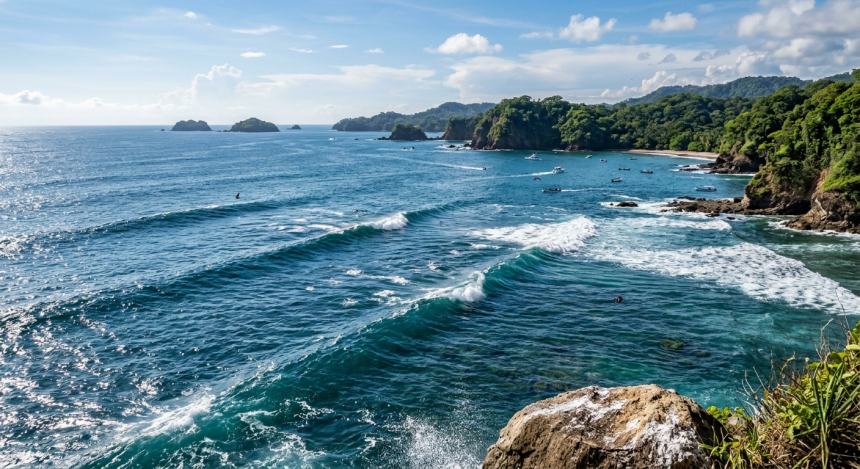
The Gulf of Panama, a crucial hub of marine biodiversity and a vital source of income for local fishing communities, is experiencing a historic failure of its essential ocean upwelling system. This phenomenon, which brings nutrient-rich waters to the surface, has been a cornerstone of the region’s ecosystem for thousands of years. However, a team of scientists has now flagged a breakdown in this process, sparking concerns about the long-term health of the region’s delicate marine balance and the far-reaching consequences for global ocean systems.
The Science Behind the Breakdown
Upwelling, a natural process driven by trade winds and ocean currents, is a critical component of the Gulf of Panama’s ecosystem. As winds push surface waters away from the coast, deeper, nutrient-rich waters are drawn to the surface, supporting a vast array of marine life. This, in turn, fuels the food chain, from phytoplankton to large fish and marine mammals. The team of scientists, led by researchers from the University of Panama, used satellite imaging and oceanographic data to track the changes in upwelling patterns over the past decade.
The data revealed a significant decline in upwelling intensity and frequency, with some areas experiencing a complete loss of upwelling. The researchers attribute this breakdown to changes in the trade wind patterns, which have been influenced by climate change. As the planet warms, the jet stream and trade winds are shifting, leading to a reduction in upwelling activity.
The Consequences of a Broken Ecosystem
The collapse of upwelling in the Gulf of Panama has far-reaching implications for the region’s ecosystems and fishing communities. Phytoplankton, the base of the marine food web, are struggling to survive in the nutrient-poor waters. This has a ripple effect throughout the food chain, impacting the populations of fish, sea turtles, and marine mammals. The consequences are already being felt, with many fishing communities reporting a decline in catches and revenues.
Furthermore, the loss of upwelling also threatens the region’s unique biodiversity. The Gulf of Panama is home to an incredible array of marine species, many of which are found nowhere else on the planet. The breakdown of the upwelling system puts these species at risk, highlighting the need for urgent action to protect and restore the region’s ecosystems.
A Global Warning: Climate Change and Ocean Upwelling
The Panama upwelling failure serves as a warning about the impact of climate change on global ocean systems. Upwelling is a critical component of many marine ecosystems around the world, supporting the health and productivity of these ecosystems. As climate change continues to disrupt ocean circulation patterns, we can expect to see more upwelling failures and ecosystem disruptions.
The consequences of inaction will be severe, not only for the ecosystems and communities dependent on these systems, but also for the global economy. The ocean plays a vital role in regulating the Earth’s climate, absorbing carbon dioxide, and producing oxygen. The breakdown of upwelling systems is a symptom of a broader problem – the need to address the root causes of climate change and protect our oceans.
As the world’s oceans continue to absorb the brunt of climate change, it is imperative that we take immediate action to address the Panama upwelling failure and prevent similar ecosystem disruptions in the future. By working together, we can mitigate the impacts of climate change and safeguard the health of our oceans for future generations.