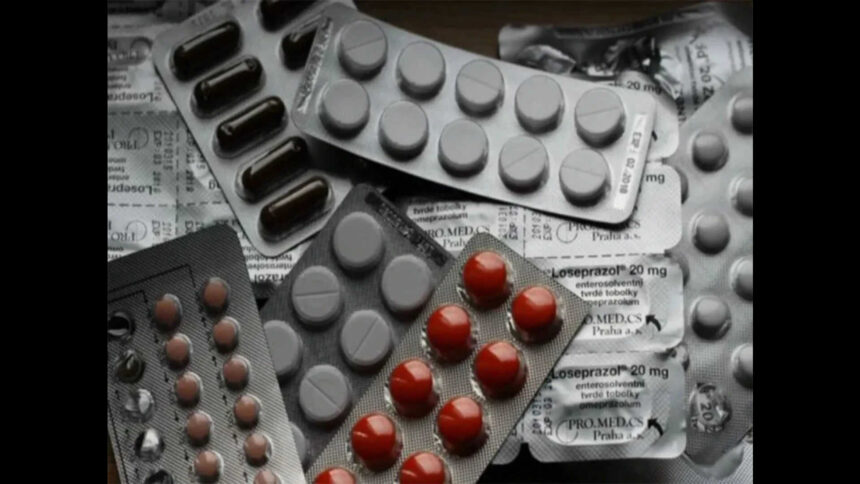
The Indian pharmaceutical industry is on the brink of a significant upheaval following US President Donald Trump’s bold move to slap tariffs of 100% on generic medicines imported into the country from August 2028 and a whopping 200% a year later. This drastic measure is set to have far-reaching implications for the $30-billion industry, which has long relied on the US market as a major export destination for its life-saving drugs.
The move has sent shockwaves through the Indian pharmaceutical sector, with companies racing to reassess their business strategies in the wake of this sudden and unexpected development. While some have expressed optimism that the tariffs may ultimately prove a blessing in disguise, allowing them to invest in domestic manufacturing and reduce their reliance on exports, others are sounding the alarm over the potential risks and challenges that lie ahead.
At the heart of the issue is the fact that the tariffs will significantly increase the cost of importing generic medicines into the US, making them less competitive in the market. This, in turn, could lead to a reduction in demand and a subsequent decline in sales for Indian pharma companies. To mitigate this risk, many are now considering a dramatic shift in their business models, with some already exploring the possibility of relocating their manufacturing facilities to the US.
Reversing Years of Investment
For many Indian pharma companies, the decision to establish manufacturing facilities overseas was a strategic one, driven by a desire to tap into lucrative markets and expand their global footprint. However, the sudden imposition of tariffs threatens to upend this carefully laid strategy, forcing companies to reassess their investments and potentially write off millions of dollars in assets.
One of the biggest challenges facing Indian pharma companies is the significant investment they have made in their international operations over the years. Many have built state-of-the-art manufacturing facilities, invested in research and development, and established a network of distributors and partners to support their exports. The tariffs will not only wipe out the profits from these operations but also leave companies with substantial losses.
The Indian government has long been a vocal advocate for the domestic pharmaceutical industry, and it is likely to take a hardline stance in response to the tariffs. However, its ability to mitigate the impact of the tariffs on Indian pharma companies remains to be seen. While some have called for a retaliatory response, others are urging caution, arguing that such a move could escalate tensions with the US and have unintended consequences for the broader economy.
Opportunities for Domestic Growth
Despite the challenges posed by the tariffs, some Indian pharma companies are cautiously optimistic about the opportunities that lie ahead. By investing in domestic manufacturing, they believe they can tap into the country’s growing demand for generic medicines and reduce their reliance on exports. This shift in strategy could also enable them to focus on research and development, creating new products and treatments that are tailored to the needs of the Indian market.
However, others are more skeptical, warning that the tariffs will have a disproportionate impact on smaller and medium-sized enterprises (SMEs) that lack the resources and scale to compete with their larger counterparts. These companies may struggle to adapt to the new reality, potentially leading to a decline in their market share and a loss of jobs.
The Indian government has already taken steps to support the domestic pharmaceutical industry, including the launch of a number of initiatives aimed at promoting domestic manufacturing and research and development. However, more needs to be done to help SMEs navigate the challenges posed by the tariffs and to ensure that they are not left behind in the process.
A New Era of Competition
The imposition of tariffs on generic medicines is a significant turning point in the history of the Indian pharmaceutical industry. While it may present challenges for some companies, it also offers opportunities for others to adapt and evolve in the face of changing market conditions. As the industry navigates this uncertain future, one thing is clear: the stakes have never been higher, and the need for innovation, resilience, and strategic thinking has never been greater.
The Indian pharma industry is set to enter a new era of competition, one that will be shaped by the tariffs and the responses of companies to this seismic shift. While some will struggle to adapt, others will seize the opportunity to transform their business models and capitalize on the opportunities that lie ahead. As the industry looks to the future, one thing is clear: the next chapter in the story of Indian pharma will be shaped by the decisions and actions of its players in the face of this unprecedented challenge.