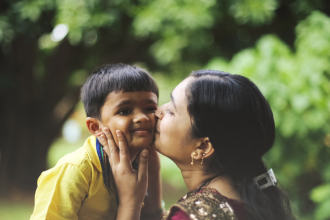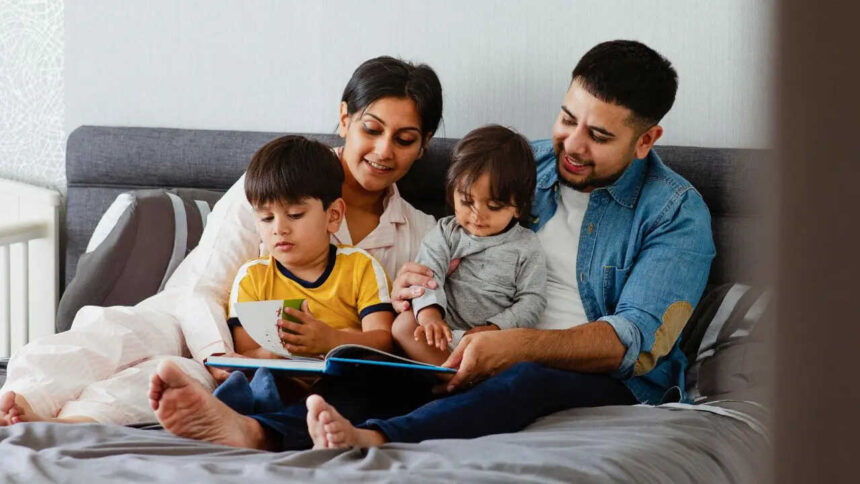
The phrase ‘FAFO parenting’ may have recently gone viral on social media, but for many Indians, the concept behind it is nothing new. FAFO, short for ‘F**k Around and Find Out,’ refers to a parenting approach where children are allowed to learn from their own mistakes, often with minimal intervention from their parents. This approach may spark debate among parents and experts, but for those who grew up in Indian households, it’s a familiar and time-tested method of building resilience and responsibility in kids.
Understanding FAFO Parenting
At its core, FAFO parenting is about giving children the autonomy to make their own choices and face the consequences of those choices. This doesn’t mean that parents are completely hands-off; rather, they provide guidance and support while still allowing their kids to learn from their own experiences. For example, if a child refuses to wear a sweater on a cold winter morning, a FAFO parent might not force them to wear it, but instead, let them feel the cold and learn from their decision. This approach can be applied to various aspects of life, from academics to social relationships, and even household chores.
One of the key benefits of FAFO parenting is that it helps children develop problem-solving skills and think critically. By facing the consequences of their actions, kids learn to analyze situations, weigh their options, and make informed decisions. This, in turn, helps them become more independent, self-sufficient, and resilient in the face of adversity. Moreover, FAFO parenting encourages kids to take ownership of their mistakes and learn from them, rather than simply blaming others or making excuses.
The Indian Connection
For many Indians, FAFO parenting is not a new concept, but rather a traditional approach to raising kids that has been passed down through generations. In Indian culture, children are often encouraged to learn from their own experiences and mistakes, with parents providing guidance and support as needed. This approach is reflected in the many Indian proverbs and sayings that emphasize the importance of self-reliance, hard work, and perseverance. For instance, the Hindi proverb ‘jad se jooda tul hai’ roughly translates to ‘the tree is known by its fruit,’ implying that a person’s actions and decisions will ultimately determine their outcomes.
In Indian households, FAFO parenting is often practiced in a more subtle and nuanced way. Parents may not explicitly tell their kids to ‘figure it out themselves,’ but they may still encourage them to take risks, face challenges, and learn from their mistakes. This approach is often balanced with a strong emphasis on family values, social responsibility, and emotional support, which helps children develop a sense of purpose and direction in life. As a result, many Indian kids grow up to be confident, self-motivated, and adaptable, with a strong ability to navigate complex situations and challenges.
Global Implications and Debates
The rise of FAFO parenting has sparked intense debates among parents, experts, and educators around the world. Some praise the approach as a practical way to build resilience and responsibility in kids, while others worry that it can be misunderstood or taken too far. Critics argue that FAFO parenting can be overly permissive, allowing children to engage in risky or harmful behaviors without adequate supervision or guidance. On the other hand, proponents argue that the approach helps children develop essential life skills, such as problem-solving, critical thinking, and self-reliance.
As the debate around FAFO parenting continues, it’s essential to recognize that there is no one-size-fits-all approach to raising kids. What works for one family or culture may not work for another, and parents must be sensitive to the unique needs and circumstances of their children. Ultimately, the goal of parenting is to raise happy, healthy, and well-adjusted kids who are equipped to thrive in an increasingly complex and challenging world. Whether through FAFO parenting or other approaches, the key is to find a balance between guidance, support, and autonomy, and to help children develop the skills, values, and resilience they need to succeed in life.