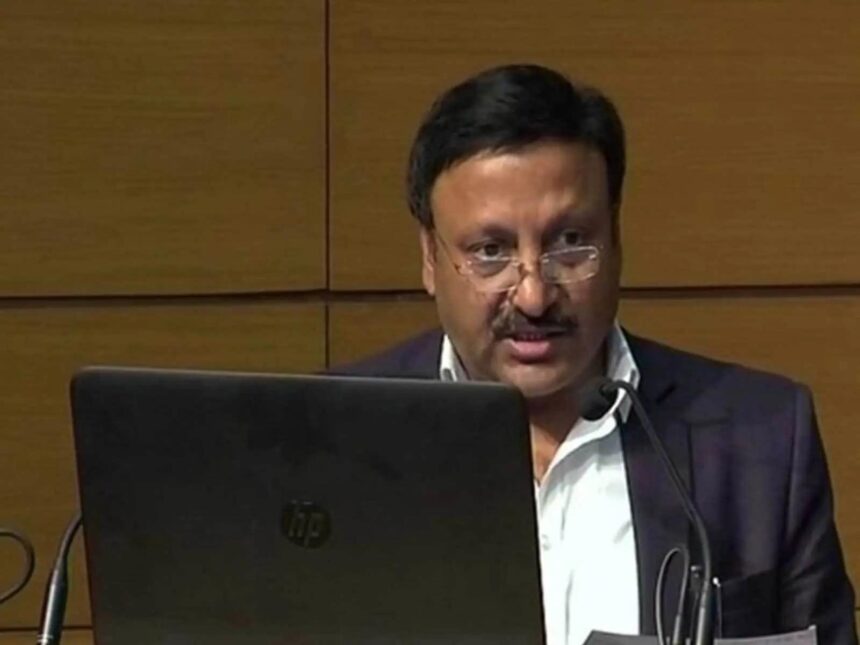
The Indian banking sector has witnessed a significant development with the appointment of Rajiv Kumar, former Chief Election Commissioner and ex-Finance Secretary, as the chairman of HDFC Bank, subject to approval from the Reserve Bank of India. This move is seen as a strategic decision by the bank to strengthen its leadership and navigate the complex regulatory landscape. Kumar’s rich experience in both the public and private sectors is expected to bring a unique perspective to the bank’s operations. With his four-year term set to commence on June 30, all eyes are on how he will lead the bank in its future endeavors.
Background and Experience
Rajiv Kumar’s appointment as the chairman of HDFC Bank is a testament to his illustrious career, spanning over three decades. His experience as the Chief Election Commissioner has equipped him with the skills to manage complex systems and ensure transparency. Additionally, his tenure as the Finance Secretary has given him a deep understanding of the country’s financial landscape, including the banking sector. This blend of experience is expected to serve the bank well, especially during these challenging times.
Kumar’s ability to work with various stakeholders, including the government, regulatory bodies, and private sector entities, will be crucial in his new role. His understanding of the financial sector, combined with his experience in managing large-scale operations, makes him an ideal candidate to lead HDFC Bank. The bank’s board has expressed confidence in Kumar’s ability to guide the bank in its future growth and expansion plans.
Challenges and Opportunities
The Indian banking sector is currently facing several challenges, including rising non-performing assets, increased competition, and evolving regulatory requirements. As the new chairman of HDFC Bank, Rajiv Kumar will need to navigate these challenges while identifying opportunities for growth. The bank has been focusing on expanding its digital footprint, and Kumar is expected to build on this momentum. His experience in managing large-scale operations will be invaluable in driving the bank’s digital transformation and improving its overall efficiency.
The appointment of Rajiv Kumar as the chairman of HDFC Bank also highlights the importance of having a strong and experienced leadership team in place. The bank’s board has demonstrated its commitment to bringing in the best talent to drive its growth and success. With Kumar at the helm, the bank is well-positioned to address the challenges facing the sector and capitalize on emerging opportunities.
Future Outlook
The appointment of Rajiv Kumar as the chairman of HDFC Bank marks a new chapter in the bank’s history. As the bank looks to the future, it is clear that Kumar’s leadership will play a crucial role in shaping its strategy and direction. The bank’s focus on digital transformation, customer experience, and risk management is expected to continue under Kumar’s guidance. With his experience and expertise, the bank is well-positioned to navigate the complex regulatory landscape and achieve its growth objectives.
The coming months will be crucial for HDFC Bank as it embarks on this new journey under Rajiv Kumar’s leadership. The bank’s stakeholders, including customers, employees, and investors, will be watching with interest as Kumar sets out to implement his vision for the bank. With his strong track record and experience, there is optimism that he will be able to drive the bank’s growth and success in the years to come. As the Indian banking sector continues to evolve, the appointment of Rajiv Kumar as the chairman of HDFC Bank is a significant development that is expected to have a lasting impact on the sector.