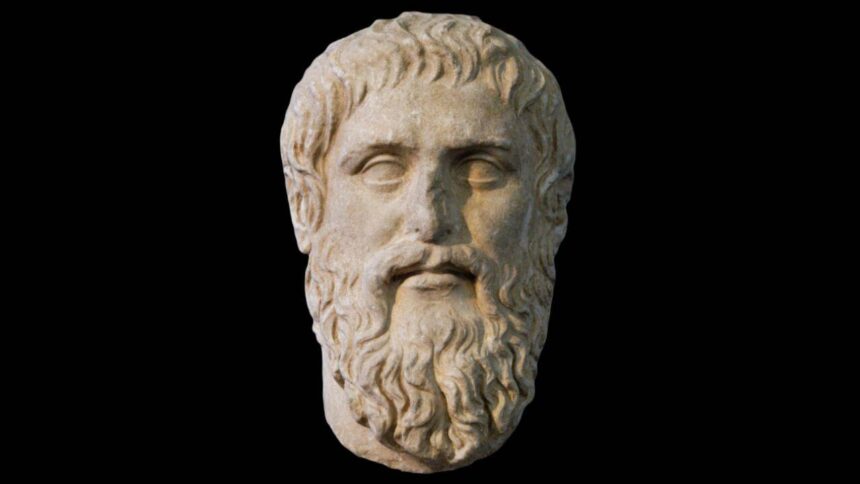
The words of Plato, one of the greatest thinkers in human history, continue to resonate deeply with us today, reminding us of the profound impact of education on our lives. His quote, ‘There is nothing more divine than education. It is only through education that…’ underscores the ancient idea that learning is the key to unlocking our full human potential. This notion is both profound and timely, inviting us to reflect on the true purpose and value of education in our modern world.
The Visionary Philosopher
Plato’s vision of education was far removed from the narrow, utilitarian view that often dominates our thinking today. For him, education was not merely a means to an end, a way to secure a good job or a higher social status, but an end in itself, a vital process of human growth and development. He believed that education should cultivate the whole person, nurturing the intellect, the imagination, and the spirit, and enabling individuals to realize their full potential as human beings.
At the heart of Plato’s philosophy of education lies the concept of paideia, a holistic approach to learning that encompasses not only intellectual development but also physical, moral, and spiritual growth. This approach recognizes that education is not just about acquiring knowledge, but about forming character, developing wisdom, and cultivating the virtues that are essential for a life of purpose, fulfillment, and contribution to the greater good.
The Limitations of Modern Education
Today, our education systems often fall short of Plato’s lofty ideals. We tend to focus on standardized testing, rote memorization, and narrow specialization, rather than encouraging creativity, critical thinking, and intellectual curiosity. Our schools often prioritize conformity over diversity, and technical skills over emotional intelligence and social awareness. As a result, many students graduate without a clear sense of purpose, direction, or passion, and without the skills and knowledge they need to navigate the complexities of the 21st century.
Furthermore, our modern education systems often neglect the importance of character development, moral education, and spiritual growth. We assume that these aspects of human development will take care of themselves, or that they are the responsibility of families and communities rather than schools. However, the consequences of this neglect are evident in the rising levels of stress, anxiety, and disaffection among young people, and in the erosion of social cohesion and civic engagement in our societies.
Rethinking Education for the 21st Century
Plato’s ideas about education offer a powerful challenge to our modern assumptions and practices. They invite us to rethink the purpose and value of education, and to consider how we can create learning environments that are more holistic, more inclusive, and more effective in cultivating the full range of human potential. By embracing a more expansive and visionary approach to education, we can help young people develop the knowledge, skills, and character they need to thrive in a rapidly changing world, and to make a positive contribution to the greater good.
As we move forward in the 21st century, it is clear that education will play a critical role in shaping our collective future. By drawing on the wisdom of Plato and other visionary thinkers, we can create education systems that are more just, more equitable, and more effective in promoting human flourishing. We can foster a love of learning that lasts a lifetime, and help young people develop the skills, knowledge, and character they need to succeed in all aspects of life. Ultimately, the true value of education lies not in the certificates we earn, or the jobs we secure, but in the kind of people we become, and the contributions we make to the world around us.