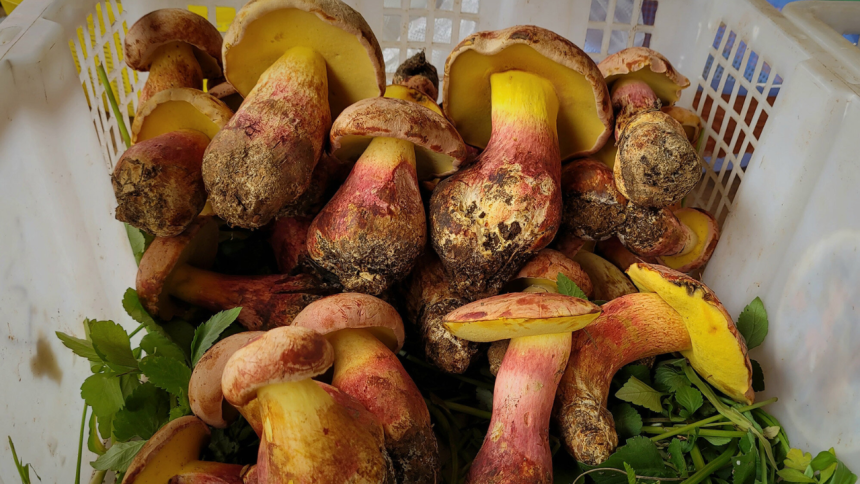
The discovery of a wild mushroom that causes visions of tiny people has fascinated scientists for nearly a century. First heard in 1934 from Papua New Guinea, this phenomenon, known as ‘mushroom madness,’ has been observed in communities thousands of miles apart, sparking a wave of research into the properties of this mysterious fungi. With the advent of DNA sequencing, researchers have now confirmed that a single, identical species is responsible for these hallucinations, shedding new light on the intricate relationships between humans, fungi, and the natural world.
Unveiling the Mystery of Mushroom Madness
For decades, scientists have been intrigued by the tales of ‘mushroom madness’ from Papua New Guinea, where locals claimed that certain wild mushrooms could induce vivid visions of tiny people. These accounts were often met with skepticism, but as similar reports began to emerge from other parts of the world, including China and the Philippines, researchers realized that there might be some truth to these claims. By studying the unique properties of these mushrooms, scientists hope to gain a deeper understanding of the complex interactions between humans and the natural world.
One of the most significant challenges in studying these mushrooms has been identifying the specific species responsible for the hallucinations. With thousands of species of wild mushrooms, many of which are similar in appearance, it was difficult to pinpoint the exact culprit. However, with the advent of DNA sequencing, researchers have been able to analyze the genetic material of these mushrooms, allowing them to identify the single, identical species responsible for the visions of tiny people. This breakthrough has opened up new avenues of research, as scientists can now study the properties of this species in greater detail.
The Global Reach of Mushroom Madness
The discovery that a single species of mushroom is responsible for the hallucinations in communities thousands of miles apart has significant implications for our understanding of human culture and the natural world. It suggests that, despite geographical and cultural differences, humans have been interacting with this species of mushroom in similar ways for centuries, using it for medicinal, spiritual, or recreational purposes. This highlights the deep connections that exist between humans and the natural world, and demonstrates the importance of preserving and studying the unique properties of wild mushrooms.
Furthermore, the global reach of ‘mushroom madness’ raises interesting questions about the spread of knowledge and cultural practices across different communities. How did the knowledge of this mushroom’s properties spread from one community to another? What role did trade, migration, and cultural exchange play in the dissemination of this knowledge? By studying the history and cultural context of ‘mushroom madness,’ researchers can gain a deeper understanding of the complex networks that exist between humans and the natural world.
Future Directions for Research
As researchers continue to study the properties of this mysterious mushroom, they are uncovering new and exciting possibilities for its use. From potential medicinal applications to its role in shaping human culture, this species of mushroom is proving to be a fascinating area of study. With further research, scientists may be able to unlock the secrets of this mushroom, revealing new insights into the intricate relationships between humans, fungi, and the natural world.
The discovery of the single, identical species responsible for ‘mushroom madness’ is a testament to the power of scientific inquiry and the importance of preserving and studying the natural world. As we continue to explore the properties of this mysterious mushroom, we may uncover even more surprising secrets about the intricate web of relationships that exist between humans and the natural world. With its rich history, cultural significance, and potential for future discovery, the study of this mushroom is an exciting and rapidly evolving field that promises to reveal new and fascinating insights into the world around us.