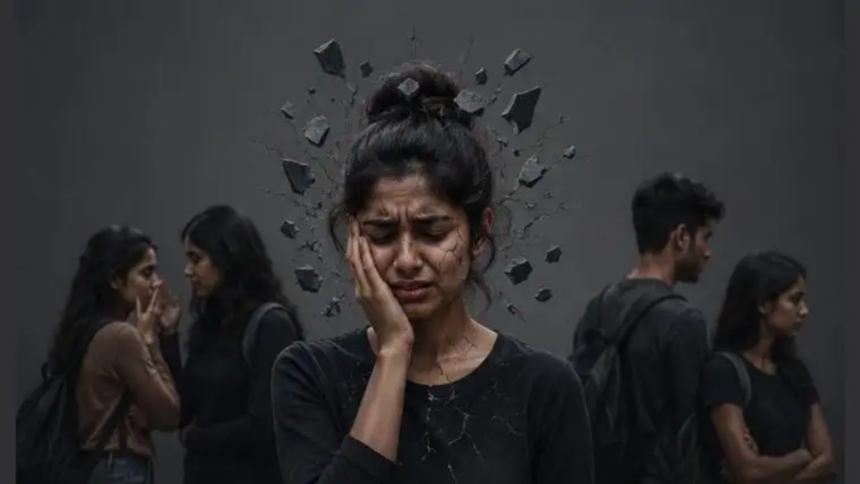
The sting of rejection is a universal human experience, one that can evoke feelings of sadness, anger, and even physical pain. Whether it’s being left out of a social gathering, rejected by a romantic partner, or excluded from a group, the emotional hurt can be intense and long-lasting. But what happens in the brain when we experience social rejection, and how can understanding this process help us cope with the pain of exclusion?
The Neuroscience of Rejection
Research has shown that social rejection activates the same neural pathways as physical pain, releasing stress hormones like cortisol and adrenaline into the system. This can lead to a range of physical symptoms, from a racing heart and sweating to nausea and headaches. The brain’s reward system, which is responsible for releasing feel-good chemicals like dopamine, is also affected, leading to a decrease in self-esteem and mood. Studies have used functional magnetic resonance imaging (fMRI) to map the brain’s response to social rejection, revealing that areas like the anterior cingulate cortex and the insula are highly active when we experience exclusion.
These findings have significant implications for our understanding of mental health conditions like depression and anxiety, which are often characterized by social withdrawal and feelings of isolation. By recognizing the neural mechanisms underlying social rejection, clinicians can develop more effective treatments for these conditions, such as cognitive-behavioral therapy and social skills training. Furthermore, understanding the brain’s response to rejection can help us develop strategies for building resilience and coping with the emotional pain of exclusion.
The Psychology of Exclusion
Social rejection can have a profound impact on our mental health and wellbeing, affecting our self-concept, emotional regulation, and relationships with others. When we experience rejection, our brain’s threat response is triggered, releasing stress hormones that prepare our body for the ‘fight or flight’ response. This can lead to a range of negative emotions, from anxiety and anger to sadness and despair. Moreover, social exclusion can also affect our cognitive functioning, impairing our ability to focus, make decisions, and solve problems.
The psychological effects of rejection can be particularly damaging in childhood and adolescence, when social relationships are crucial for development and identity formation. Being excluded from social groups or rejected by peers can lead to long-term consequences, such as decreased self-esteem, social anxiety, and depression. On the other hand, experiencing social support and acceptance can have a positive impact on mental health, enhancing our sense of belonging, self-worth, and overall wellbeing. By fostering positive social relationships and promoting social inclusion, we can mitigate the negative effects of rejection and build a more compassionate and supportive community.
Coping with Rejection and Building Resilience
So, how can we cope with the pain of rejection and build resilience in the face of social exclusion? One strategy is to practice self-compassion, treating ourselves with kindness, understanding, and acceptance. This can involve engaging in activities that promote relaxation and stress reduction, such as meditation, yoga, or deep breathing exercises. Additionally, seeking social support from friends, family, or a therapist can help us process our emotions and develop a more positive self-image.
Another approach is to reframe rejection as an opportunity for growth and learning, rather than a source of shame or failure. By adopting a growth mindset, we can view rejection as a chance to develop new skills, build resilience, and enhance our self-awareness. Finally, cultivating gratitude and appreciation for the positive relationships in our lives can help us maintain a sense of perspective and balance, even in the face of rejection and exclusion. By adopting these strategies, we can develop the emotional resilience and coping skills needed to navigate the complexities of social relationships and build a more fulfilling and meaningful life.