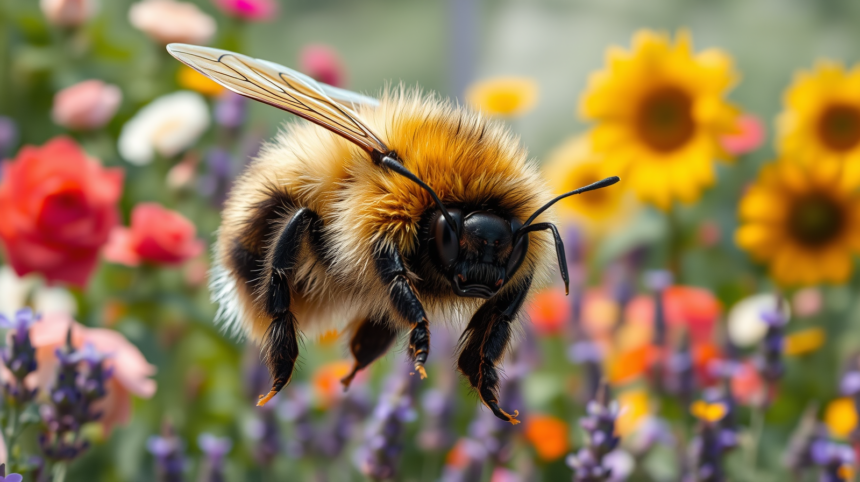
The world’s bees are facing a crisis, and it’s not just about their dwindling numbers. A new and insidious threat is emerging, one that strikes at the very heart of their survival: the nutritional value of their food. As carbon dioxide levels in the atmosphere continue to rise, the nectar and pollen that bees rely on for sustenance are becoming increasingly depleted of essential nutrients, leaving these vital pollinators struggling to survive.
The Changing Landscape of Bee Nutrition
Bees are some of the hardest-working creatures on the planet, flying from flower to flower in search of the nectar and pollen they need to fuel their bodies and feed their young. But as CO2 levels rise, the plants that produce this food are undergoing a subtle yet profound shift. With more CO2 available, plants are growing faster and producing more foliage, but this increased growth is coming at a cost: the nutrient content of their nectar and pollen is declining. This means that bees are having to work harder than ever to get the nutrients they need, flying farther and longer to find sufficient food.
The impact of this change is already being felt, with many bee species struggling to adapt to the new nutritional landscape. Bigger bees, in particular, are feeling the strain, as their larger bodies require more energy to maintain. As they fly from flower to flower, they’re finding that the nectar and pollen they rely on are no longer providing the nutrients they need, leaving them weakened and vulnerable to disease and predators.
The Science Behind the Decline
So what’s driving this decline in nutrient content? The answer lies in the way plants respond to rising CO2 levels. As CO2 increases, plants are able to grow more quickly and efficiently, using less water and nutrients to produce the same amount of biomass. While this might seem like a good thing, it has a downsides: the plants are producing more carbohydrates, like sugars and starches, but fewer proteins and other essential nutrients. This means that the nectar and pollen they produce are becoming increasingly diluted, providing less nutritional value to the bees that rely on them.
The implications of this change are far-reaching, with potential consequences for ecosystems around the world. Bees play a vital role in pollinating plants, and their decline could have a ripple effect throughout the food chain. As bees struggle to survive on nutrient-poor nectar and pollen, they may be less able to pollinate the plants that rely on them, leading to reduced crop yields and decreased biodiversity.
A Call to Action
The decline of bee nutrition is a wake-up call, a reminder of the urgent need to address the issue of rising CO2 levels and the impact they’re having on our planet. By reducing our carbon footprint and promoting sustainable practices, we can help to mitigate the effects of climate change and preserve the health of our ecosystems. This includes supporting pollinator-friendly plants, reducing pesticide use, and protecting natural habitats. We must also recognize the critical role that bees play in our food system and take steps to ensure their survival.
As we look to the future, it’s clear that the fate of the world’s bees is inextricably linked to our own. By working together to address the challenges they face, we can help to ensure the long-term health of our planet and the creatures that call it home. The silent sting of rising CO2 levels may be a subtle threat, but it’s one that demands our attention and action. We owe it to ourselves, our children, and the bees to take action and protect the delicate balance of our ecosystem.