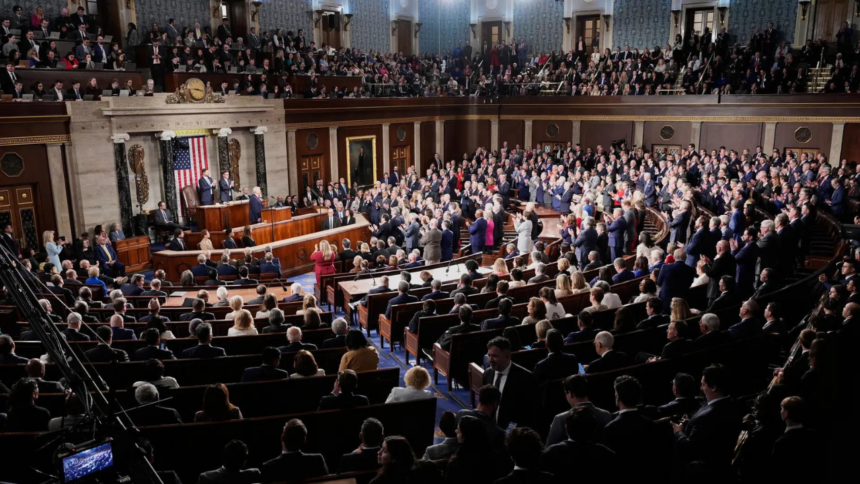
The prolonged absence of US Senator Mitch McConnell from the Senate after a hospitalization has reignited a long-standing joke in Washington: that the United States Senate is less a legislative chamber than an elite retirement community with the power to shape global events. As the mystery surrounding McConnell’s health condition deepens, it has once again raised questions about the impact of age on leadership and the role of the Senate in American politics. With a significant number of senators well into their 70s and 80s, the upper house of Congress is facing a crisis of legitimacy, with many wondering whether it is still fit for purpose in the 21st century.
Aging Leadership
The issue of aging leadership in the Senate is not new, but it has become increasingly pressing in recent years. With the average age of senators now over 65, the chamber is facing a brain drain of sorts, as younger, more energetic lawmakers are often overshadowed by their older, more experienced colleagues. This has led to a lack of fresh perspectives and new ideas, as well as a sense of stagnation and complacency. Many senators have been in office for decades, and while experience is invaluable, it can also breed a sense of entitlement and disconnection from the realities of modern life.
Furthermore, the physical and mental demands of being a senator are significant, and as lawmakers age, they may struggle to keep up with the pace of modern politics. The Senate is a demanding institution, with long hours, endless meetings, and a constant need to be visible and engaged. As senators age, they may find it increasingly difficult to cope with these demands, leading to a decline in their effectiveness and a sense of burnout. This can have serious consequences, not just for the individual senators, but for the institution as a whole, and for the country.
Consequences of an Aging Senate
The consequences of an aging Senate are far-reaching and can have a significant impact on the country. One of the most significant effects is the lack of diversity and representation in the chamber. With many senators from older generations, the Senate often struggles to reflect the diversity of modern America, with women, minorities, and younger people underrepresented. This can lead to a lack of understanding and empathy for the issues that affect these groups, and a sense of disconnection from the realities of modern life. Additionally, an aging Senate can also lead to a lack of innovation and progress, as older lawmakers may be less likely to embrace new ideas and technologies.
Moreover, the aging Senate can also have serious consequences for the country’s governance and stability. As senators age, they may become less effective at representing their constituents and addressing the pressing issues of the day. This can lead to a sense of gridlock and stagnation, as well as a decline in public trust and confidence in the institution. The Senate is a critical part of the American system of government, and its effectiveness is essential for the smooth functioning of the country. An aging Senate can undermine this effectiveness, leading to serious consequences for the country and its people.
Reform and Renewal
So what can be done to address the issue of an aging Senate? One possible solution is to introduce term limits, which would prevent lawmakers from serving for too long and becoming disconnected from their constituents. Another solution is to encourage more diversity and representation in the chamber, by supporting younger, more diverse candidates and providing them with the resources and opportunities they need to succeed. Additionally, the Senate could also benefit from a more modern and efficient approach to governance, with the use of technology and other innovations to streamline its operations and improve its effectiveness.
Ultimately, the issue of an aging Senate is a complex and multifaceted one, with no easy solutions. However, by acknowledging the problem and working towards reform and renewal, it may be possible to create a more effective, diverse, and representative institution that is better equipped to address the challenges of the 21st century. As the country looks to the future, it is essential that the Senate is able to adapt and evolve, embracing new ideas and perspectives while maintaining its core values and principles. The future of American democracy depends on it, and it is up to the senators and the American people to ensure that the institution remains vibrant, effective, and representative of the people it serves.