{“title”:”Don’t Confuse the Beat: Heart Attack vs Heart Failure – Separating Fact from Fiction”,”content”:”
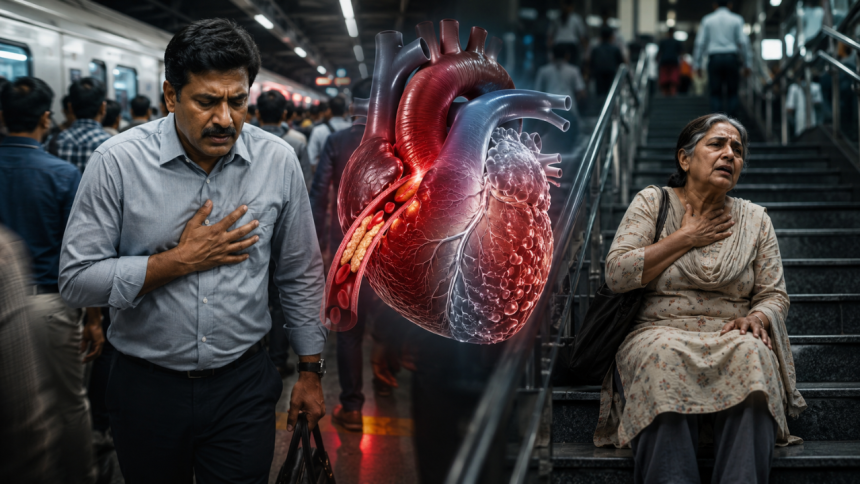
A heart attack and heart failure – two terms that have become synonymous in popular culture, but are they truly interchangeable? While both conditions affect the heart, they are distinct and separate entities, each with its own set of symptoms, causes, and consequences. Unfortunately, many Indians often misunderstand the difference between the two, leading to delayed diagnosis and treatment. As we explore the nuances of heart health, it’s essential to clarify the distinction between a heart attack and heart failure, and why it matters for our overall well-being.
First Section: What’s a Heart Attack?
A heart attack, also known as myocardial infarction, occurs when the blood flow to the heart is blocked, causing damage to the heart muscle. This blockage is usually due to a blood clot or plaque buildup in the coronary arteries, which supply oxygen-rich blood to the heart. The symptoms of a heart attack can vary from person to person, but common signs include chest pain or discomfort, shortness of breath, lightheadedness, and cold sweats. If left untreated, a heart attack can lead to permanent damage to the heart, heart failure, or even death.
So, what happens during a heart attack? When the coronary arteries are blocked, the heart muscle begins to starve for oxygen, leading to cellular death and tissue damage. The heart muscle becomes inflamed, and scar tissue forms, making it harder for the heart to pump blood efficiently. A heart attack is a medical emergency that requires prompt treatment, usually in the form of medications to dissolve the clot and restore blood flow to the heart.
Second Section: What’s Heart Failure?
Heart failure, also known as congestive heart failure (CHF), occurs when the heart is unable to pump enough blood to meet the body’s needs. This can happen due to various reasons, such as high blood pressure, coronary artery disease, heart valve problems, or cardiomyopathy. Unlike a heart attack, heart failure is not a sudden event but a gradual process that can develop over time. The symptoms of heart failure can be subtle and may include fatigue, swelling in the legs and feet, shortness of breath, and rapid or irregular heartbeat. If left untreated, heart failure can lead to severe complications, including organ failure and death.
So, how does heart failure occur? When the heart is unable to pump efficiently, it can lead to a buildup of fluid in the lungs, liver, and other organs. This fluid buildup can cause symptoms such as swelling, shortness of breath, and fatigue. In severe cases, heart failure can lead to a condition called pulmonary edema, where fluid accumulates in the lungs, making it difficult to breathe. Treatment for heart failure usually involves medications to improve heart function, lifestyle changes, and in some cases, surgery or a heart transplant.
Third Section: Separating Fact from Fiction
Now that we’ve clarified the difference between a heart attack and heart failure, it’s essential to address the common misconceptions surrounding these conditions. Many Indians often believe that a heart attack and heart failure are the same thing, or that a heart attack is a surefire sign of heart failure. However, this is not the case. A heart attack is a medical emergency that requires prompt treatment, while heart failure is a chronic condition that requires ongoing management and treatment. Understanding the difference between these two conditions is crucial for timely diagnosis and treatment, which can significantly improve outcomes and reduce mortality rates.
By separating fact from fiction and understanding the nuances of heart health, we can take proactive steps to prevent heart attacks and heart failure. This includes maintaining a healthy lifestyle, exercising regularly, eating a balanced diet, managing stress, and getting regular check-ups with our healthcare providers. By working together, we can reduce the burden of heart disease and promote better heart health for all.
So, the next time you hear someone say “I had a heart attack,” don’t assume it’s the same as saying “I have heart failure.” Remember, a heart attack is a medical emergency that requires prompt treatment, while heart failure is a chronic condition that requires ongoing management and treatment. By understanding the difference between these two conditions, we can take the first step towards a healthier, happier heart.
“,”excerpt”:”A heart attack and heart failure are two distinct conditions that affect the heart. While a heart attack is a medical emergency that requires prompt treatment, heart failure is a chronic condition that requires ongoing management and treatment. Understanding the difference between these two conditions is crucial for timely diagnosis and treatment, which can significantly improve outcomes and reduce mortality rates.”,”tags”:[“heart health”,”heart attack”,”heart failure”,”cardiovascular disease”,”heart disease”],”meta_description”:”Separating fact from fiction: heart attack vs heart failure. Learn the difference between these two distinct conditions and why it matters for heart health.”}